Plants need sunlight, there’s no getting around that. But when you’re filming plant time-lapses, you’re usually working indoors, often for weeks, months, or even years at a time. That means your lighting setup isn’t just about keeping your plants alive, it’s about keeping them consistently thriving on camera. And honestly, choosing the right grow light for time-lapse work is trickier than it looks. You’re constantly balancing brightness, color accuracy, and stability so your footage looks natural while your plants stay happy.
Why I choose LED growing lights
There are a lot of grow lights out there: fluorescent, HID, halogen; but I always come back to LEDs. After years of filming plant growth, they’ve proven to be the most reliable option across the board.
Long life use
LED grow lights typically last anywhere from tens of thousands of hours. That’s huge for time-lapse work. When you’re running a continuous shoot for days or weeks, the last thing you want is a light failing halfway through and ruining continuity. With LEDs, I can set up a shot and trust it’ll run without interruption.
Non-flicker and bright without weird colors
This is probably the most important factor for time-lapses. Some cheaper lights (especially older fluorescents or low-quality LEDs) introduce flicker that isn’t obvious to the eye but shows up in footage as subtle brightness pulsing. Over hundreds or thousands of frames, that becomes a nightmare.
Good LED grow lights provide stable, flicker-free output, which keeps exposure consistent across every frame. On top of that, modern full-spectrum LEDs avoid those harsh purple or overly green tones that make plants look unnatural. When you’re editing later, having clean, neutral color saves a ton of time, and your plants actually look like they do in real life.
Energy saving
Time-lapse setups often run lights 24 hours a day. LEDs consume significantly less power compared to traditional grow lights, which adds up quickly. Lower energy use means lower costs and less stress about leaving your setup running continuously.
Less heat
Heat is a silent problem in time-lapse filming. Too much of it can dry out soil faster, stress plants, and even affect camera equipment if you’re shooting in a tight space. LEDs run much cooler than HID or incandescent options, which helps maintain a stable environment for both your plants and your gear.
Consistency over time
Another underrated benefit: LEDs maintain consistent output over long periods. Some other light types shift in color or intensity as they age, which can create visible inconsistencies in long-term time-lapse sequences. LEDs stay stable, which keeps your footage clean and uniform.
My grow lights I use
I’ve gone through quite a few lights over time; some worked great, others not so much. These are the ones I currently use and trust depending on the setup.
Note: Some links are Amazon affiliate links. I may earn a small commission at no extra cost to you.
Best for seed starting, microgreens, succulents, cacti, carnivorous or small plants
GE Seeds and Greens 9W LED Grow Light

SANSI 10W LED Grow Light Bulb

These are my go-to for smaller setups or when I’m filming close-up growth. They’re compact, easy to position, and provide clean, balanced light that works well on camera. I especially like using them for macro shots where color accuracy matters, like capturing seedlings emerging or dew forming on carnivorous plants.
Best for large plants, all stages, and all-purpose use (dimmable)
MARS HYDRO TS1000
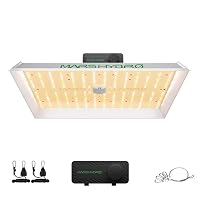
VIPARSPECTRA XS1500 Pro

For bigger plants or wider scenes, these are my workhorses. The dimming feature is key, I can fine-tune brightness to match my camera settings without overexposing highlights or stressing the plants. They also provide even coverage, which helps avoid harsh shadows or hotspots in the frame.
There’s no single grow light that does everything perfectly for every plant or every filming scenario. What works for a tiny tray of microgreens won’t necessarily work for a large monstera in a wide shot.
But these are the lights I’ve tested and keep coming back to. They’ve helped me maintain healthy plants and clean, consistent footage, which is really the goal with time-lapse work. Hopefully, this gives you a solid starting point and helps you narrow things down a bit faster than I did.
Leave a Reply